


Nicaragua Congratulates Tunisia on Its Independence Anniversary
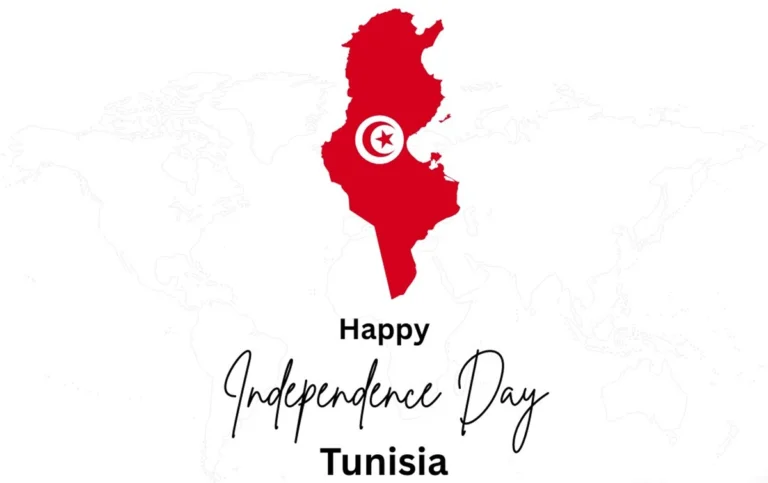
X/ @olxdcommunity
March 19, 2026 Hour: 2:58 pm
🔗 Comparte este artículo
This African nation gained independence from France on March 20, 1956.
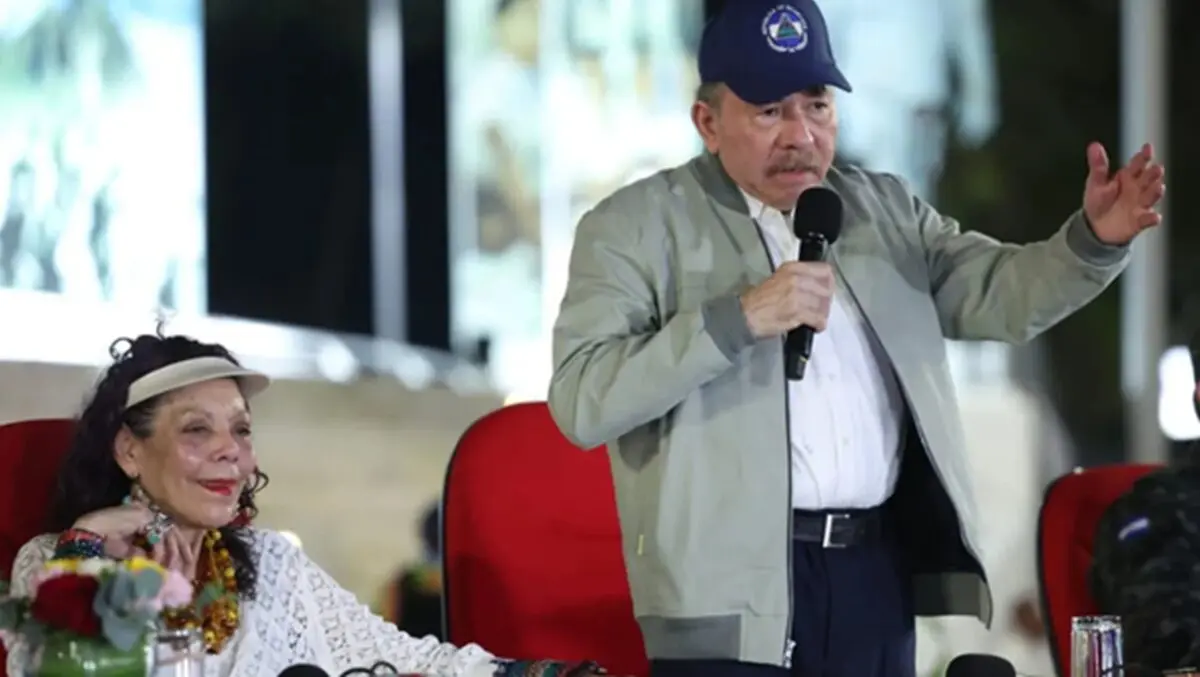
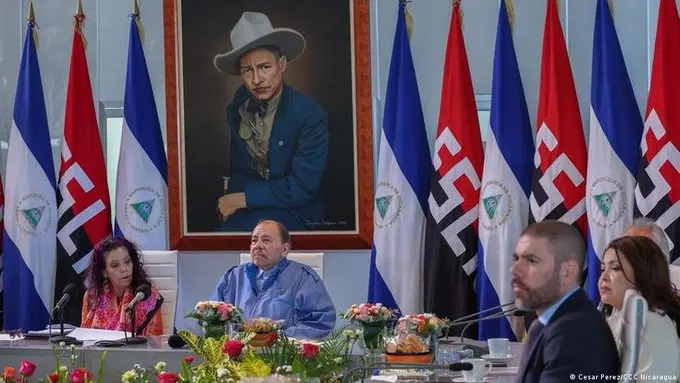
On Thursday, the Nicaraguan co-presidents Daniel Ortega and Rosario Murillo sent greetings to the president of Tunisia Kaïs Saïed on the anniversary of his country’s independence.
RELATED:
“On behalf of the People and Government of Reconciliation and National Unity of the Republic of Nicaragua, and in our own name, we wish to extend our warmest congratulations to You, and to the Brotherly People and Government of the Republic of Tunisia, on the special occasion of commemorating the National Day and the 70th Anniversary of the Independence of Tunisia, this March 20,” they said.
“On this historic date, the Tunisian people celebrate the triumph of their struggle for freedom and self-determination, which culminated in 1956 with independence from French colonial rule, after years of steadfast commitment and sacrifice by patriotic men and women who defended the dignity, sovereignty, and right of their nation to decide its own destiny, building its path to development, stability, and well-being.”
“We reiterate to you and to the brotherly Tunisian people our brotherhood and willingness to continue strengthening the relations of friendship, solidarity, and cooperation between our peoples and governments, working together to face the great challenges of our time and promote peace, respect for sovereignty, and the development of nations,” Ortega y Murillo stated, emphasizing that the Nicaraguan people send a fraternal embrace to the Tunisian people.
Tunisia gained independence from France on March 20, 1956, after decades of nationalist struggle against French colonial rule, which had been established in 1881. The movement for independence intensified after WW2, driven by growing political awareness and resistance among Tunisians.
The leading force behind this struggle was the Neo Destour party, headed by Habib Bourguiba, who became the central figure in negotiating independence.
The path to independence combined political activism, mass protests, and diplomatic negotiations. Bourguiba and other nationalist leaders were at times imprisoned or exiled by the French authorities, but they continued to press for autonomy.
In 1955, Tunisia achieved internal autonomy, which paved the way for full independence the following year. The agreement with France allowed Tunisia to transition relatively peacefully compared to other decolonization processes in North Africa.
After independence, Habib Bourguiba became Tunisia’s first prime minister and later its first president when the monarchy was abolished in 1957. He implemented a series of modernization reforms, including advances in education, women’s rights, and secular governance.
teleSUR/ JF
Sources: NP – teleSUR